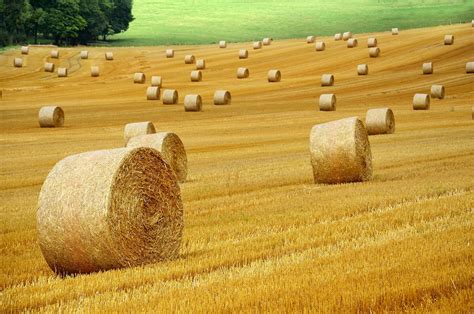
Hay is a type of dried and preserved grass, legume, or other herbaceous plant material used primarily as animal feed, particularly for horses, cattle, and other livestock. The process of creating hay involves cutting, drying, and curing the plants to remove excess moisture, which helps to prevent spoilage and retain the nutritional value of the plants. Hay can be made from a variety of plants, including timothy grass, alfalfa, clover, and oat hay, among others.
The history of hay production dates back thousands of years, with evidence of hay being used as animal feed in ancient civilizations such as Egypt, Greece, and Rome. Today, hay is a critical component of modern agriculture, with millions of tons produced annually around the world. The quality and nutritional value of hay can vary depending on factors such as the type of plants used, the climate and soil conditions in which they are grown, and the methods used to harvest and dry the hay.
Key Points
- Hay is a type of dried and preserved plant material used as animal feed
- The process of creating hay involves cutting, drying, and curing the plants to remove excess moisture
- Hay can be made from a variety of plants, including timothy grass, alfalfa, clover, and oat hay
- The quality and nutritional value of hay can vary depending on factors such as climate, soil conditions, and harvesting methods
- Hay is a critical component of modern agriculture, with millions of tons produced annually around the world
Types of Hay

There are several types of hay, each with its own unique characteristics and nutritional profile. Some of the most common types of hay include:
Timothy hay is a popular choice for horses and other livestock, known for its high fiber content and relatively low protein levels. Alfalfa hay, on the other hand, is a legume hay that is high in protein and calcium, making it a popular choice for dairy cattle and other high-producing animals. Clover hay is another type of legume hay that is high in protein and is often used as a supplement to other types of hay.
Hay Production Process
The process of producing hay involves several steps, including cutting, drying, and curing the plants. The cutting process typically involves using a machine to cut the plants at the base, leaving a small portion of stem and leaf material intact. The drying process involves allowing the cut plants to dry in the field, either by leaving them in windrows or by using a machine to dry them. The curing process involves removing excess moisture from the dried plants, either by leaving them in a dry location or by using a machine to remove excess moisture.
| Type of Hay | Protein Content | Fiber Content |
|---|---|---|
| Timothy Hay | 8-10% | 25-30% |
| Alfalfa Hay | 15-20% | 20-25% |
| Clover Hay | 12-15% | 22-28% |

Hay Quality and Nutritional Value

The quality and nutritional value of hay can vary depending on several factors, including the type of plants used, the climate and soil conditions in which they are grown, and the methods used to harvest and dry the hay. High-quality hay is typically characterized by its high nutritional value, including its protein, fiber, and mineral content. Protein content is an essential factor in determining the quality of hay, as it provides essential amino acids for animal growth and maintenance. Fiber content is also critical, as it provides bulk and helps to promote digestive health in animals.
In addition to its nutritional value, hay can also be evaluated based on its physical characteristics, such as its color, texture, and smell. Color can be an indicator of hay quality, with high-quality hay typically having a bright green or golden color. Texture can also be an indicator of quality, with high-quality hay typically having a soft and pliable texture. Smell can also be an indicator of quality, with high-quality hay typically having a fresh and earthy smell.
What is the difference between hay and straw?
+Hay and straw are often confused with each other, but they are actually two different products. Hay is a type of dried and preserved plant material used as animal feed, while straw is a type of dried and preserved plant material used for bedding and other purposes. Hay is typically higher in nutritional value than straw and is often used as a primary source of nutrition for animals.
How do I store hay to preserve its quality?
+To preserve the quality of hay, it's essential to store it in a dry and well-ventilated location. Hay should be stored in a barn or other dry location, away from direct sunlight and moisture. It's also essential to keep hay off the ground and to use a tarp or other covering to protect it from the elements.
What are the benefits of using hay as animal feed?
+Hay is a nutritious and versatile feed source that provides several benefits for animals. It is high in fiber, which helps to promote digestive health and prevent digestive problems. Hay is also a good source of essential vitamins and minerals, including vitamin A, vitamin D, and calcium. Additionally, hay can help to reduce the risk of certain health problems, such as colic and ulcers, in horses and other animals.
In conclusion, hay is a critical component of modern agriculture, providing a nutritious and versatile feed source for animals. Understanding the different types of hay, their unique characteristics, and the factors that affect their quality is essential for livestock producers and animal owners who want to provide their animals with the best possible nutrition. By following proper storage and handling techniques, hay can be preserved for long periods of time, providing a reliable source of nutrition for animals throughout the year.