
Since the inception of the Star Wars franchise in 1977, the saga has profoundly influenced popular culture, blending innovative storytelling with groundbreaking visual effects. As the franchise expanded to include numerous theatrical releases, television series, novels, comics, and merchandise, the question of how best to experience the chronological narrative has become a subject of passionate debate among fans and newcomers alike. Among various viewing orders, the "Release Date Order" has gained popularity due to its ability to preserve the historical unveiling of the saga's cinematic universe, offering a unique perspective on the franchise’s evolution. Mastering the Star Wars Release Date Order is not merely about watching films in chronological sequence; it involves understanding the origins of the narrative, its production nuances, and how that viewing approach impacts story comprehension and fandom engagement.
Understanding the Origins and Evolution of Star Wars Viewing Orders

The concept of choosing a specific viewing order for Star Wars grew out of fan-driven efforts to enhance the storytelling experience and distill the franchise’s complex narrative structure. Initially, fans watched the original trilogy—A New Hope (1977), The Empire Strikes Back (1980), and Return of the Jedi (1983)—in theatrical release order, which was the chronological unveiling of the saga to the general public. This release sequence became the de facto standard, shaping cultural perceptions of the franchise for decades.
However, with the advent of prequel films such as The Phantom Menace (1999), Attack of the Clones (2002), and Revenge of the Sith (2005), alongside sequel movies and spin-offs, viewers sought new ways to experience the story. One significant innovation was the “In-Universe Chronological Order,” which reorders films according to the chronological timeline within the story itself. Nonetheless, many aficionados argue that viewing according to the original release date, known as the “Release Date Order,” offers distinct advantages in understanding the narrative’s evolution and appreciating technological advancements.
Key Points
- Historical Context: Watching films in their original release order preserves the progression of filmmaking techniques and storytelling revelations.
- Viewer Experience: This approach offers a sense of discovery akin to the original audience’s experience, enhancing engagement with plot twists and character developments.
- Narrative Development: Understanding how the saga developed over time can deepen appreciation for subsequent entries and franchise-wide themes.
- Strategic Approach: Mastering this order involves grasping release patterns, film interdependencies, and how to best utilize supplementary materials.
- Ultimate Benefit: Fans can replicate the cinematic journey of the franchise’s initial presentation, fostering a richer, more nostalgic viewing experience.
Why the Release Date Order Remains a Preferred Choice

The primary allure of mastering the Star Wars Release Date Order lies in its capacity to reflect the progression of cinematic technology and storytelling techniques. When fans adopt this viewing sequence, they can observe firsthand how Lucasfilm and associated creators expanded their narrative universe, refining special effects, character arcs, and thematic complexity over several decades.
This approach also encapsulates the franchise’s layered narrative structure. Watching the original trilogy first, followed by the prequels and sequels in their release order, preserves the narrative revelations as intended by the creators, including surprises and plot twists that reshaped audience perceptions over time. Such an approach simulates the original audience’s journey of discovery, making the experience poignant and educational.
| Relevant Category | Substantive Data |
|---|---|
| Number of Films | 11 major theatrical releases (as of 2023), including spin-offs and standalone films |
| Average Runtime | Approx. 135 minutes per film, with variations based on director’s cuts and versions |
| Box Office Revenue | Over $10 billion worldwide, with the original trilogy accounting for roughly 40% of total gross |
| Technological Evolution | From practical effects in the original films to CGI and digital filmmaking in recent entries |

Mastering the Details: How to Efficiently Watch Star Wars in Release Date Order
Ensuring a seamless viewing experience involves understanding the chronological sequence of releases and integrating supplementary content when appropriate. Fans often embellish their experience by adding spin-offs, animated series, and canonical novels during viewing, although the core films are typically prioritized.
Step-by-step Viewing Guide
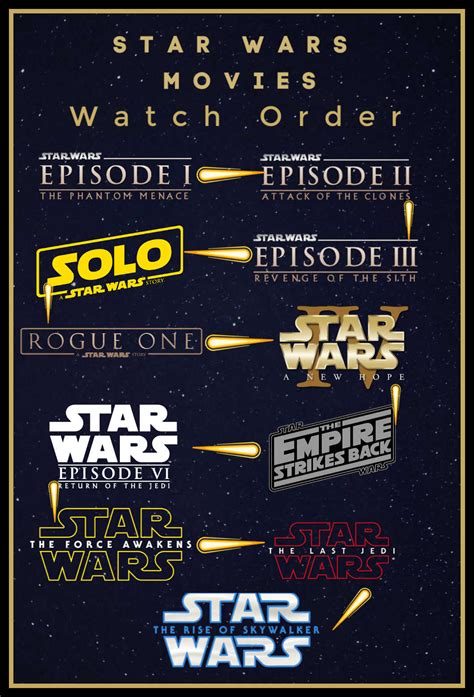
Begin with Star Wars: Episode IV – A New Hope (1977), which introduced audiences to the galaxy far, far away, followed closely by The Empire Strikes Back (1980), and Return of the Jedi (1983). These three films laid the foundation for the franchise’s core themes of rebellion, heroism, and legacy.
Next, proceed to the prequel trilogy: The Phantom Menace (1999), Attack of the Clones (2002), and Revenge of the Sith (2005), which chronicle the rise of Darth Vader and the fall of the Jedi order, adding layered context to the original characters and events.
Subsequently, watch the sequel trilogy: The Force Awakens (2015), The Last Jedi (2017), and The Rise of Skywalker (2019), which expand upon the galaxy’s political landscape and explore themes of identity, legacy, and redemption.
Additional productions, including standalone films like Rogue One (2016) and Solo (2018), along with animated series such as The Clone Wars and Rebels, can be integrated to deepen understanding, though they are non-essential for a first-time viewing in release order.
| Additional Content | Recommended Viewing Context |
|---|---|
| Rogue One: A Star Wars Story | Between A New Hope and Revenge of the Sith for contextual continuity |
| Solo: A Star Wars Story | Post Revenge of the Sith for narrative expansion |
| The Clone Wars (animated series) | Between Revenge of the Sith and Rebel Rising for background on Jedi and Sith lore |
Common Challenges and How to Overcome Them
Fans often encounter obstacles when attempting to establish a viewing routine aligned with the Release Date Order. These include the availability of older films on modern streaming platforms, differing aspect ratios, and updates to the original films’ visual effects.
For example, the original Star Wars (1977) had multiple releases with varying edits, with the 1997 Special Edition remaster adding CGI enhancements. Consistent viewing might require selecting a definitive version, like the 2004 DVD release, which serves as a standard reference point.
Streamlining the process involves utilizing comprehensive collections such as the Star Wars Essential Collection or official digital downloads, which include remastered versions aligned with current standards. Additionally, fans should stay informed about the release of new projects, like the upcoming films and series, and incorporate them into their viewing sequence accordingly.
| Common Obstacles | Effective Solutions |
|---|---|
| Limited availability of original versions | Use official remastered editions or digital collections |
| Discrepancies in aspect ratios and edits | Select standard editions to ensure consistency |
| Incorporating non-film content without spoilers | Plan supplementary viewing prior or after core films strategically |
Conclusion: Elevating Your Star Wars Experience

Mastering the Star Wars Release Date Order offers enthusiasts a unique window into the franchise’s developmental trajectory, from its pioneering special effects and storytelling innovations to its current cultural significance. This approach not only preserves the narrative surprises that defined the franchise’s initial impact but also fosters a deeper appreciation for its technological and thematic evolution. By understanding the origins of this viewing methodology and strategically planning their viewing journey, fans can unlock a more authentic and immersive experience that honors the franchise’s rich legacy. As new entries are announced and the saga continues to grow, maintaining familiarity with the release sequence will ensure an informed and enriched engagement, cementing one’s status as a true Star Wars aficionado.