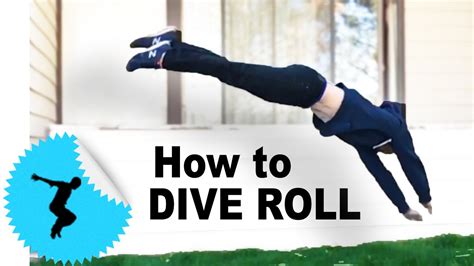
For enthusiasts of parkour and freerunning, the roll dive is a fundamental movement that combines agility, strength, and technique. It's a versatile maneuver that can be used to overcome obstacles, descend from heights, or simply to add flair to one's movement repertoire. Mastering the roll dive not only enhances one's physical capabilities but also boosts confidence and fluidity in navigating various environments. However, like any physical skill, it requires careful practice, patience, and a deep understanding of the mechanics involved. Here are five tips to help you improve your roll dive technique:
Understanding the Basics of a Roll Dive

A roll dive, at its core, involves launching oneself into a forward roll from a height or a sprint, converting the downward momentum into a safe and controlled roll on the ground. The key to a successful roll dive lies in the transition from the air to the roll, ensuring that the impact is distributed safely across the body. This technique is crucial for minimizing the risk of injury and maximizing the efficiency of the movement. Beginners often find it helpful to practice the components of the roll dive separately before combining them. This includes working on jumping and landing techniques, as well as practicing rolls on a soft surface.
Tip 1: Master the Art of Rolling
Before attempting a roll dive, it’s essential to be comfortable with rolling. Start by practicing forward rolls on a soft surface like a mat or grass. Focus on tucking your chin to your chest, keeping your arms wrapped around your body, and using your arms and shoulders to absorb the impact as you roll. As you become more comfortable, you can gradually increase your speed and the height from which you jump. Remember, the goal is to distribute the force of the landing across your body, reducing the impact on any single point.
| Rolling Technique | Key Points |
|---|---|
| Forward Roll | Tuck chin, wrap arms, absorb impact with arms and shoulders |
| Speed and Height | Gradually increase for more challenging rolls |
Tip 2: Practice Jumping and Landing
Once you’re comfortable with rolling, the next step is to practice jumping and landing. This involves developing the strength and technique to jump up and land safely on both feet. Start with small jumps and focus on landing softly on the balls of your feet, rolling forward immediately if needed. This practice helps build the explosive power required for a roll dive and conditions your body to absorb impact safely.
Tip 3: Combine the Jump and Roll
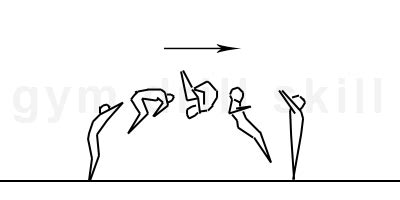
With rolling and jumping techniques under your belt, it’s time to combine them. Start from a low height or a short run and practice jumping forward, then immediately transitioning into a roll as you land. The key is to make this transition as smooth as possible, using the momentum from your jump to carry you into the roll. Begin with low heights and gradually increase them as you become more confident and skilled.
Tip 4: Focus on Body Alignment and Control
Proper body alignment and control are crucial for executing a safe and effective roll dive. Ensure that you jump forward and not upward, keeping your body straight and your core engaged. As you transition into the roll, maintain control by keeping your body tucked and your arms and legs in a compact position. Practice controlling your speed and direction during the roll to ensure a smooth and safe stop.
Tip 5: Train with Safety in Mind
Safety should always be your top priority when practicing roll dives. Ensure you’re training in a safe environment with adequate space to perform the movement without obstacles. It’s also advisable to train with a partner or under the supervision of a qualified instructor who can provide feedback and assistance if needed. Always warm up before training and listen to your body, resting when needed to avoid injury.
Key Points for a Successful Roll Dive
- Master the art of rolling to ensure safe landing and transition.
- Practice jumping and landing to build explosive power and impact absorption.
- Combine the jump and roll, focusing on smooth transition and control.
- Maintain proper body alignment and control throughout the movement.
- Always prioritize safety, training in a suitable environment and under supervision if possible.
In conclusion, mastering the roll dive is a journey that requires patience, persistence, and a deep understanding of the fundamental techniques involved. By following these tips and dedicating time to practice, individuals can significantly improve their roll dive technique, enhancing their overall parkour and freerunning skills. Remember, safety and control are paramount, and gradual progression is key to avoiding injuries and ensuring a successful learning process.
What is the most important aspect of learning a roll dive?
+The most important aspect is mastering the fundamental techniques of rolling and jumping, and then combining them safely and effectively. Proper body alignment, control, and safety precautions are also crucial.
How do I reduce the risk of injury when practicing roll dives?
+To reduce the risk of injury, always practice in a safe environment, warm up before training, and listen to your body. Gradually increase the difficulty of your jumps and rolls, and consider training with a qualified instructor or experienced partner who can provide guidance and support.
What role does conditioning and strength training play in improving roll dive technique?
+Conditioning and strength training are essential for improving roll dive technique. They help build the explosive power needed for jumps, enhance the body’s ability to absorb impact, and improve overall control and stability during the movement.