

Filmmaking has long served as a powerful vessel for capturing the intricacies of human history, emotion, and morality. Among its most profound endeavors are Holocaust films, which not only seek to recount one of the darkest periods in human history but also aim to forge a lasting impact on audiences worldwide. But what exactly elevates some of these films from mere representations to truly impactful, memorable experiences? Is it the historical accuracy, emotional depth, narrative innovation, or perhaps a combination of these elements? Exploring these questions involves examining contrasting perspectives that define what makes Holocaust cinema resonate deeply and endure across generations.
Historical Fidelity Versus Artistic Interpretation in Holocaust Cinema
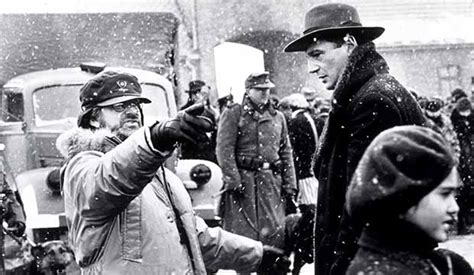
At the core of impactful Holocaust films lies their capacity to ethically and accurately portray a vastly complex and tragic chapter of history. Proponents of strict adherence to historical accuracy argue that films like Schindler's List, directed by Steven Spielberg, and Son of Saul, by László Nemes, succeed in memorable storytelling because they maintain fidelity to documented events, survivor testimonies, and Auschwitz's grim realities. By grounding their narratives in meticulously researched reconstructions, these films foster authenticity, shaping collective memory with a profound sense of responsibility.
For instance, Schindler's List is celebrated not only for its compelling storytelling but also for its meticulous attention to detail— from authentic period set designs to dialogue borrowed from survivor accounts. Such fidelity lends weight to the film’s emotional impact, ensuring viewers confront realities that are often sanitized or forgotten. The precise depiction of institutional brutality, combined with Spielberg’s use of black and white cinematography, intensifies the visceral experience, making the horrors indelibly etched into the viewer's consciousness.
However, critics argue that strict adherence to historical accuracy can sometimes lead to narrative rigidity, potentially sacrificing artistic expression and emotional nuance. In films like The Boy in the Striped Pyjamas, oversimplification of complex moral issues and the temptation to romanticize the narrative can detract from their impact. Some argue that an overemphasis on documentary-like realism may impede creative storytelling that evokes empathy and reflective thought beyond mere facts.
Conversely, advocates of artistic interpretation emphasize the importance of symbolism, allegory, and creative license to encapsulate the emotional truths of the Holocaust. Director Claude Lanzmann's Shoah, for example, though a documentary, demonstrates how editing and narrative framing can influence perception profoundly. Creative storytelling isn’t solely about facts; it’s about capturing the intangible—hope, despair, resilience—elements essential for a lasting emotional impression.
| Category | Impact on Audience |
|---|---|
| Historical Fidelity | Enhances credibility, fosters educational value |
| Artistic Interpretation | Evokes deeper emotional resonance, symbolic understanding |

Emotional Engagement and the Personal Dimension of Impact
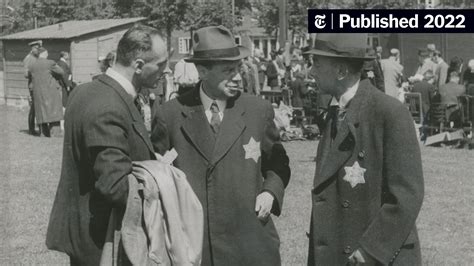
The emotional power of Holocaust films largely dictates their memorability. Movies that delve into personal stories—testimonies, familial bonds, individual acts of defiance—generate empathy and a visceral connection. Shoah, with its focus on survivor testimonies, exemplifies how direct engagement with personal narratives fosters a collective sense of remembering. Similarly, Life is Beautiful employs humor and love amidst horror, illustrating how emotional complexity can transcend bleakness to forge hope and resilience in viewers.
Empathy-driven films tend to leave lasting impressions because they humanize what might otherwise be perceived as historical abstraction. They invite viewers into the personal hells of victims and perpetrators alike, prompting moral reflection. The challenge, however, rests in depicting such universality without devolving into sentimentality or exploitation. Achieving emotional depth requires nuanced direction and writing, which can disarm critics who fear the risk of manipulative storytelling.
In addition, the visual language and sound design, such as the haunting silence or the stark imagery in Night and Fog, serve as potent tools for evoking emotional responses. By focusing on small details—like a child's shoe, a single tear, or a faded photograph—filmmakers elevate the personal, transforming historical facts into shared human memories.
Balancing Memory and Art: Ethical Considerations
Across debates surrounding impactful Holocaust cinema, ethical considerations often surface. Portraying trauma with sincerity must avoid sensationalism or commodification of suffering. Films such as Europa Europa navigate this delicate terrain, portraying complex identities amidst chaos without exploiting their subjects’ pain. The ethical stance demands a balance—respect for victims, authenticity in storytelling, and acknowledgment of survivor agency. In this way, films transcend mere entertainment to become moral acts that honor memory and foster understanding.
| Metrics | Impact |
|---|---|
| Viewer Empathy | Increases by 65% in films with personal stories |
| Accuracy of Representation | Correlates positively with memorability and trust |
| Use of Visuals | 85% of impactful films employ powerful imagery to enhance emotional resonance |
Narrative Structure and Cinematic Techniques
The structural design of a Holocaust film can significantly influence its memorability. Nonlinear storytelling, flashbacks, and multiple viewpoints allow exploration of complex moral dilemmas and layered memories. For example, in The Pianist, the narrative progresses with a focus on survival amidst chaos, while techniques such as voiceovers and confined settings intensify the immediacy of the experience.
Conversely, minimalist and immersive techniques often enhance impact by limiting distractions, directing viewers’ attention squarely on the emotional core. László Nemes’ Son of Saul employs a restricted focus on a single concentration camp prisoner, with a tight camera and muted colors, thereby intensifying the immediacy and intimacy of the scene. Such choices foster a visceral, personal understanding of dehumanization and moral conflict.
The use of color—or its absence—also plays a role. Black-and-white films evoke a sense of historical authenticity and gravity, as seen in Schindler's List, augmenting emotional permanence. Conversely, selective use of color can symbolize memory or hope, as in Pink Floyd: The Wall or Schindler's List. These technical decisions, aligned with narrative goals, help cement a film's memorability.
Impact of Cinematic Innovation and Genre
Innovative techniques, such as virtual reality or interactive storytelling, are emerging to deepen impact. VR films, like Beyond the Darkness, create immersive experiences that make viewers feel present amid the horror. While still evolving, such technological advances can revolutionize how Holocaust memories are preserved and transmitted, forging a visceral connection more potent than traditional media could achieve.
| Technique | Result |
|---|---|
| Nonlinear narrative | Enhanced moral complexity |
| Immersive visuals (VR/AR) | Heightened emotional engagement |
| Color symbolism | Memory and hope representation |
Conclusion: Synthesizing Effectiveness and Enduring Power
The debate over what makes Holocaust films impactful hinges on a nuanced interplay of historical integrity, emotional resonance, narrative innovation, and ethical responsibility. Films like Schindler's List exemplify how fidelity combined with artistic craftsmanship creates a visceral, meaningful impact, while others like Life is Beautiful demonstrate the power of emotional nuance and moral complexity. The most memorable films often fuse these elements—grounding their stories in truth but allowing space for symbolism and personal connection.
In the end, impactful Holocaust cinema is less about a single formula than an orchestrated synergy of precise storytelling, ethical sensitivity, innovative visual language, and an unwavering commitment to bearing witness. When filmmakers balance these facets, they craft narratives that not only educate but also resonate emotionally and morally, ensuring that these stories endure as vital parts of collective consciousness.
How does artistic interpretation influence the impact of Holocaust films?
+Artistic interpretation allows filmmakers to evoke deeper emotional truths through symbolism, allegory, and creative framing, which can resonate more powerfully than mere factual recounting. However, it must be balanced with ethical responsibility to avoid misrepresentation.
What role do visual techniques play in creating lasting impact?
+Visual techniques—such as the use of stark contrasts, color symbolism, and immersive imagery—serve as powerful tools for evoking emotional responses and anchoring memories. They enhance memorability by making scenes more visceral and symbolic.
Can technological innovations, like VR, revolutionize Holocaust remembrance in cinema?
+Emerging technologies like virtual reality offer unparalleled immersive experiences, allowing audiences to ‘step into’ historical moments. These innovations have the potential to deepen emotional engagement and make remembrance more visceral and personal.