
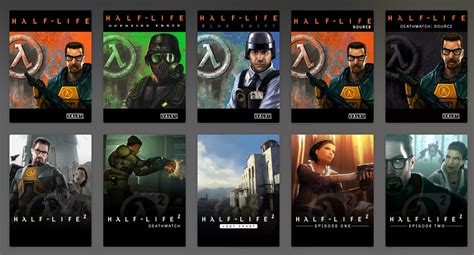
The Half-Life series, developed by Valve Corporation, has been a cornerstone of the gaming industry for decades, with its influence extending far beyond the confines of the digital world. Since the release of the first Half-Life game in 1998, the series has captivated audiences with its unique blend of engaging storytelling, immersive gameplay, and innovative physics-based mechanics. As we delve into the significance of Half-Life, it becomes evident that its impact is multifaceted, affecting not only the gaming community but also the broader cultural landscape.
Revolutionizing First-Person Shooter Games

One of the most significant contributions of Half-Life to the gaming industry was its revolutionary approach to first-person shooter (FPS) games. By incorporating a strong narrative focus, Half-Life elevated the genre beyond mere action and shooting, setting a new standard for storytelling in video games. The game’s ability to balance action, puzzle-solving, and character development created a deeply engaging experience, drawing players into the world of Black Mesa and the plight of its protagonist, Gordon Freeman. This narrative-driven approach has since become a hallmark of successful FPS games, with many titles attempting to emulate the storytelling depth and immersive atmosphere that Half-Life pioneered.
Impact on Game Development and Physics Engines
The development of Half-Life also had a profound impact on the technological side of game creation, particularly with the introduction of the GoldSrc engine, a heavily modified version of the Quake engine. This engine, along with its successor, the Source engine, introduced advanced physics capabilities, changing the way developers approached game design and interaction. The Source engine, in particular, became renowned for its robust physics simulations, facial animation systems, and realistic water effects, among other features. These technological advancements not only enhanced gameplay but also influenced the development of other games, as developers sought to incorporate similar physics-based interactions and realistic graphics into their own projects.
| Game Engine Feature | Description |
|---|---|
| Physics Simulations | Enables realistic object interactions and environments |
| Facial Animation System | Allows for more realistic character expressions and emotions |
| Realistic Water Effects | Simulates water behavior, including flow, viscosity, and interaction with objects |
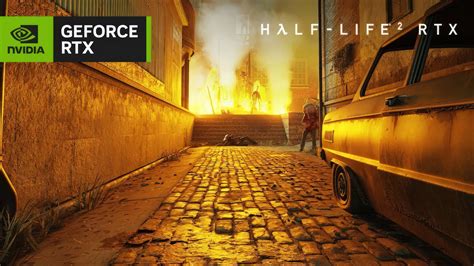
Influence on Pop Culture and Community Engagement

Beyond its impact on the gaming industry, Half-Life has also had a significant influence on pop culture and community engagement. The series’ iconic characters, such as Gordon Freeman and the G-Man, have become cultural symbols, symbolizing resistance and intellectual curiosity. The game’s memorable quotes, like “The right man in the wrong place can make all the difference,” have entered the lexicon of gaming culture, often referenced or parodied in other forms of media. Furthermore, the Half-Life community has been instrumental in creating custom content, from maps and mods to fan art and fiction, demonstrating the game’s ability to inspire creativity and foster a sense of community among its players.
Scientific and Educational Applications
The physics engine and simulation capabilities of the Half-Life series have also found applications beyond the realm of entertainment. Educators and researchers have utilized the game’s engine to teach concepts in physics, engineering, and computer science, leveraging the interactive and engaging nature of the game to make complex subjects more accessible and fun. Additionally, the game’s realistic simulations have been used in various scientific studies, such as those focusing on human behavior, cognition, and decision-making in virtual environments. This crossover between gaming and education/science highlights the potential of video games like Half-Life to serve as tools for learning and research, bridging the gap between entertainment and academic inquiry.
Key Points
- Half-Life's narrative focus revolutionized the FPS genre, setting a new standard for storytelling in video games.
- The game's technological advancements, including the introduction of the Source engine, have influenced game development and physics simulations.
- Half-Life has had a significant impact on pop culture, with its characters and quotes becoming cultural symbols and references.
- The game's community has been active in creating custom content, demonstrating the game's ability to inspire creativity and foster community engagement.
- Half-Life's physics engine and simulations have found applications in education and scientific research, serving as tools for learning and inquiry.
As the gaming industry continues to evolve, the legacy of Half-Life serves as a reminder of the power of innovation and creativity in shaping not only the digital landscape but also our broader cultural and educational contexts. With its influence extending across multiple facets of society, Half-Life stands as a testament to the potential of video games to engage, educate, and inspire, leaving an indelible mark on the world of gaming and beyond.
What is the significance of the Half-Life series in the gaming industry?
+The Half-Life series is significant for its innovative storytelling, immersive gameplay, and technological advancements, which have set new standards for the first-person shooter genre and influenced game development as a whole.
How has Half-Life impacted game development and physics engines?
+Half-Life’s introduction of the GoldSrc and Source engines has significantly impacted game development by providing advanced physics simulations, facial animation systems, and realistic graphics capabilities, influencing the development of other games and engines.
What are some examples of Half-Life’s influence on pop culture and community engagement?
+Half-Life’s iconic characters and quotes have become cultural symbols, and the game’s community has created a vast amount of custom content, including maps, mods, fan art, and fiction, demonstrating the game’s ability to inspire creativity and foster community engagement.