
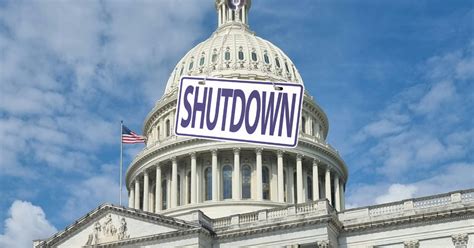
The topic of government shutdowns, particularly those that occurred in the 1990s, holds significant historical and political interest. In this article, we will delve into the details of these shutdowns, exploring their causes, impacts, and the lasting implications they had on American politics and governance. By analyzing these events, we can gain valuable insights into the delicate balance between political ideologies, budgetary constraints, and the functioning of democratic institutions.
Understanding the Government Shutdowns of the 1990s
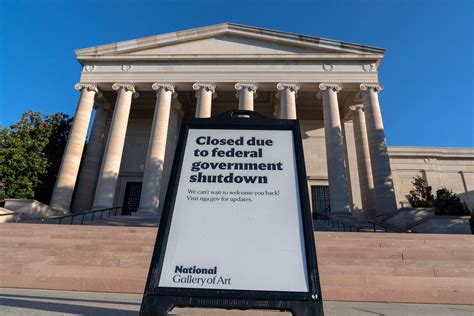
The 1990s witnessed a series of partial government shutdowns, which brought attention to the intricate dynamics between the legislative and executive branches of the U.S. government. These shutdowns occurred when Congress and the President failed to reach an agreement on funding for federal agencies, leading to a temporary cessation of non-essential government operations.
The first major shutdown of the decade took place in November 1995, lasting for five days. It was followed by an even longer shutdown that stretched from mid-December 1995 to early January 1996, totaling 21 days. These events marked a significant turning point in American political history, as they highlighted the increasing polarization and partisan politics that continue to shape governance in the United States.
The Causes: Budget Battles and Political Divides
At the heart of these shutdowns were intense budgetary disputes between the Democratic President, Bill Clinton, and the Republican-controlled Congress. The Republicans, led by Speaker of the House Newt Gingrich, advocated for substantial cuts in federal spending and a balanced budget amendment. In contrast, President Clinton and the Democrats favored a more moderate approach, seeking to maintain funding for social programs and infrastructure while reducing the deficit through gradual measures.
The key areas of contention included funding for Medicare, Medicaid, education, and environmental protection. Republicans pushed for significant reductions in these programs, arguing for a smaller federal role in social welfare. Democrats, on the other hand, staunchly defended these initiatives, emphasizing their importance for the well-being of American citizens.
| Issue | Republican Position | Democratic Position |
|---|---|---|
| Medicare and Medicaid | Sizable cuts to reduce costs | Protecting funding to ensure healthcare access |
| Education | Reduced federal involvement | Maintaining funding for public education |
| Environmental Protection | Deregulation and less federal oversight | Stronger regulations and funding for conservation |
As negotiations stalled, the inability to pass a budget resolution led to the shutdown of several federal agencies, impacting hundreds of thousands of government employees and causing widespread disruptions across the country.
Impact and Consequences
The government shutdowns had far-reaching effects, both immediate and long-term. During the shutdown periods, non-essential federal employees were furloughed, resulting in reduced government services and temporary closures of national parks, museums, and other public facilities. Essential services, such as law enforcement, air traffic control, and military operations, continued to function, but with reduced capacity.
The economic impact was significant. The shutdowns cost the U.S. economy an estimated $1.4 billion in 1995, primarily due to lost productivity and delayed government contracts. The uncertainty and instability created by these events also affected financial markets and consumer confidence, leading to a slight dip in economic growth.
Furthermore, the shutdowns damaged public perception of government effectiveness. Polls at the time showed a decline in approval ratings for both Congress and the President, with Americans expressing frustration over the inability of their leaders to resolve budgetary disputes. This led to increased political cynicism and a growing sense of disillusionment with the political process.
Legacy and Lessons Learned
The government shutdowns of the 1990s served as a cautionary tale, highlighting the potential consequences of partisan gridlock and the importance of compromise in democratic governance. While the immediate impact was disruptive, the long-term implications extended beyond the affected agencies and individuals.
One of the key lessons learned was the need for better communication and collaboration between the legislative and executive branches. The shutdowns demonstrated that budget negotiations required a more inclusive and transparent process, involving input from a diverse range of stakeholders. This led to the development of new protocols and guidelines for budget negotiations, aiming to prevent future shutdowns.
Additionally, the shutdowns brought attention to the fragility of public trust in government. The erosion of public confidence in political institutions prompted a renewed focus on transparency, accountability, and civic engagement. Efforts to enhance public participation and bridge the gap between policymakers and citizens gained momentum in the aftermath of these events.
Looking forward, the government shutdowns of the 1990s continue to shape political discourse and inform policy decisions. They serve as a reminder of the potential consequences of ideological differences and the importance of finding common ground. As the United States navigates ongoing budgetary challenges and political polarization, the lessons learned from these shutdowns remain relevant and instructive.
A Look into the Future: Preventing Shutdowns
To avoid the disruptive and costly nature of government shutdowns, several measures have been proposed and implemented over the years. These include:
- Bipartisan Budget Agreements: Encouraging collaboration between Democrats and Republicans to reach consensus on budget allocations, ensuring that funding gaps are addressed proactively.
- Continued Dialogue: Establishing regular communication channels between the executive and legislative branches to discuss budgetary concerns and potential solutions.
- Emergency Funding Mechanisms: Developing contingency plans to keep essential government services running during periods of budgetary impasse, minimizing the impact on the public.
- Long-Term Fiscal Planning: Emphasizing the importance of responsible fiscal management and addressing long-term debt and deficit concerns to prevent future budgetary crises.
By adopting these and other preventive measures, the U.S. government can work towards maintaining a stable and functional democracy, free from the disruptions caused by shutdowns. The lessons learned from the 1990s serve as a valuable guide, reminding policymakers of the importance of compromise and the potential consequences of inaction.
How often do government shutdowns occur in the United States?
+Government shutdowns are relatively rare, with only a handful occurring in recent decades. The frequency varies, but they tend to be more common during periods of heightened partisan conflict and ideological divides.
What is the impact of a government shutdown on federal employees?
+Federal employees are significantly affected during shutdowns. Non-essential employees are typically furloughed, resulting in a temporary loss of income and benefits. Essential employees continue to work without pay, creating financial hardships and uncertainty.
How do government shutdowns affect the economy?
+Shutdowns have a direct impact on the economy, leading to reduced economic activity and lost productivity. Delayed government contracts and decreased consumer confidence contribute to a slowdown in economic growth and potential job losses.