
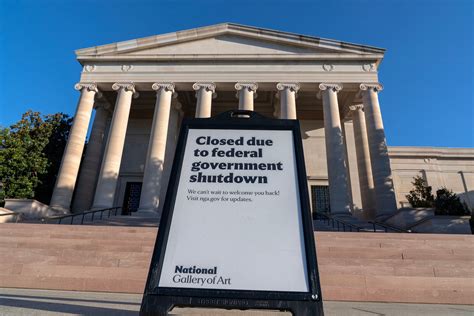
The impact of a government shutdown extends far beyond the federal agencies and employees directly affected. One of the critical areas that often receives less attention is the potential disruption to rental assistance programs, which are vital for ensuring housing stability for millions of low-income individuals and families across the United States.
Rental assistance programs play a crucial role in addressing the nation's affordable housing crisis. They provide financial support to help tenants meet their rental obligations, preventing evictions and homelessness. However, during a government shutdown, these programs can face significant challenges, threatening the very foundation of the social safety net they represent.
The Significance of Rental Assistance Programs
Rental assistance programs, administered by various government agencies, serve as a lifeline for those struggling to afford rising rents. These programs are designed to bridge the gap between a household's income and the cost of housing, ensuring that individuals and families can maintain stable housing and avoid the devastating consequences of eviction.
The need for such programs is evident in the context of a housing market characterized by rising rents and a widening gap between incomes and housing costs. According to the National Low Income Housing Coalition, in 2022, a full-time worker needed to earn at least $17.76 per hour to afford a modest two-bedroom rental home at the Fair Market Rent, highlighting the stark reality of the housing affordability crisis.
The Impact of Government Shutdowns on Rental Assistance

When a government shutdown occurs, it can have immediate and far-reaching consequences for rental assistance programs and the individuals they serve.
Funding Disruptions
One of the primary challenges is the disruption to funding. Rental assistance programs rely on federal funding to operate and provide support to eligible tenants. During a shutdown, the allocation of funds is often delayed or halted, leaving programs without the necessary resources to continue their operations.
As a result, programs may be forced to suspend or limit their services, leading to a backlog of applications and a delay in processing requests for rental assistance. This delay can be particularly detrimental to individuals facing imminent eviction, as they may not receive the timely support they desperately need.
Staffing Shortages
Government shutdowns also impact the staffing capacity of rental assistance programs. Many programs rely on federal employees or contractors to administer and manage the programs. When a shutdown occurs, these employees may be furloughed, resulting in a significant reduction in staff availability.
The reduced staffing can lead to longer processing times for applications, slower responses to inquiries, and a general decrease in the program's efficiency. This can create additional barriers for tenants seeking assistance, further exacerbating the challenges they face in maintaining stable housing.
Increased Demand, Limited Resources
Government shutdowns often coincide with periods of economic uncertainty, which can result in increased demand for rental assistance. As individuals and families face financial difficulties, they may turn to these programs for support.
However, with limited funding and reduced staffing, rental assistance programs may struggle to meet the heightened demand. This can lead to a situation where eligible tenants are unable to access the assistance they require, potentially pushing them into housing instability and increasing the risk of eviction.
Real-Life Impact: Case Studies
The 2018-2019 Government Shutdown
During the 35-day government shutdown that began in December 2018, the impact on rental assistance programs was severe. The National Housing Trust reported that over 15,000 households across the country faced potential disruptions to their rental assistance due to the shutdown.
In one example, a public housing authority in Virginia had to suspend its Section 8 voucher program, leaving hundreds of families without the financial support they relied on for their rent. This situation highlighted the immediate and devastating effects of funding disruptions on vulnerable households.
The 2023 Shutdown and Beyond
The 2023 government shutdown, although brief, once again brought attention to the vulnerabilities of rental assistance programs. While the shutdown's duration was relatively short, the potential consequences for tenants were significant.
During this shutdown, programs faced challenges in processing new applications and providing timely assistance. The limited funding and staffing disruptions threatened to create a backlog of cases, potentially leaving tenants without support during a critical time.
Mitigating the Impact: Strategies and Solutions
Emergency Funding and Reserve Funds
To address the funding disruptions during shutdowns, some rental assistance programs have implemented emergency funding mechanisms. These funds, often set aside during periods of stability, can be utilized to continue providing assistance during a shutdown.
Additionally, establishing reserve funds specifically for shutdown scenarios can help ensure that programs have the necessary resources to maintain operations and avoid service disruptions. This proactive approach can mitigate the immediate impact on tenants.
Enhanced Staffing and Streamlined Processes
Addressing staffing shortages during shutdowns requires innovative solutions. Programs can consider cross-training staff members to handle a wider range of tasks, ensuring that essential functions can continue even with reduced personnel.
Furthermore, streamlining processes and utilizing technology can enhance efficiency. Implementing online application systems and digital documentation can reduce the burden on staff and expedite the processing of applications, ensuring that tenants receive timely assistance.
Collaborative Efforts and Community Support
Rental assistance programs can also benefit from collaborative efforts with local communities and nonprofit organizations. Partnering with community-based initiatives and nonprofits can provide additional support and resources during shutdowns.
Community outreach programs, volunteer networks, and temporary assistance funds can bridge the gap and provide much-needed support to tenants facing housing instability. By fostering these partnerships, rental assistance programs can enhance their resilience and ability to serve their communities effectively.
Looking Ahead: Policy Considerations

Addressing the vulnerabilities of rental assistance programs during government shutdowns requires a multifaceted approach. Policymakers and government agencies must recognize the critical role these programs play in maintaining housing stability and take proactive measures to ensure their continuity.
One key consideration is the need for stable and reliable funding. Allocating sufficient resources to rental assistance programs can help mitigate the impact of shutdowns and ensure that programs have the necessary funds to operate seamlessly.
Additionally, exploring alternative funding sources, such as public-private partnerships or philanthropic contributions, can provide additional financial support during critical periods. These initiatives can help supplement government funding and enhance the overall resilience of rental assistance programs.
Conclusion
The impact of government shutdowns on rental assistance programs underscores the interconnectedness of social safety net programs and the broader economy. It highlights the urgent need for policymakers to prioritize the stability and continuity of these programs, especially during times of uncertainty.
By implementing robust strategies, enhancing funding mechanisms, and fostering collaborative efforts, rental assistance programs can become more resilient and better equipped to weather the challenges posed by government shutdowns. Ultimately, ensuring the stability of these programs is crucial for maintaining housing security and preventing the devastating consequences of eviction for vulnerable households.
How often do government shutdowns occur, and what are their main causes?
+Government shutdowns occur when there is a failure to pass funding legislation, often due to political disagreements or budget disputes. While they have become more frequent in recent years, with 22 shutdowns since 1976, the duration and frequency vary. The causes can range from partisan conflicts to disputes over specific policy initiatives.
What are the primary rental assistance programs affected during a shutdown?
+Several rental assistance programs are impacted, including the Housing Choice Voucher Program (Section 8), Public Housing Operating Funds, and Project-Based Rental Assistance. These programs provide critical support to low-income households, and their disruption can have severe consequences.
Are there any alternative sources of rental assistance during a shutdown?
+Some nonprofit organizations and community initiatives may provide temporary assistance or emergency funds during shutdowns. However, these resources are often limited and cannot fully replace the support provided by government programs.
