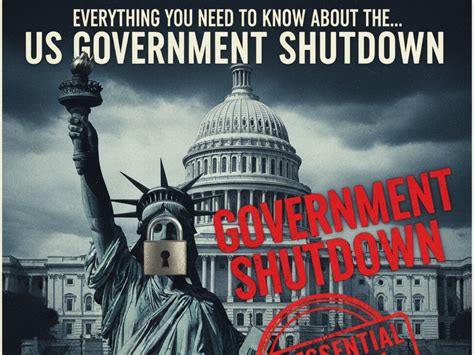
In the realm of American politics, the term "government shutdown" often sparks intense debates and raises concerns about the impact on various sectors of society. A government shutdown is a complex event that can have far-reaching consequences, affecting everything from essential services to the lives of federal employees. As such, it is crucial to understand the causes, effects, and potential solutions surrounding this topic.
Understanding the Government Shutdown Phenomenon

A government shutdown occurs when the federal government temporarily ceases its non-essential operations due to a lack of funding. This funding is typically provided through annual appropriations bills, which must be passed by Congress and signed into law by the President. When these appropriations bills fail to be enacted before the end of the fiscal year, a shutdown is triggered.
The reasons behind these failures can be diverse, often stemming from political disagreements, budgetary constraints, or even strategic maneuvers. For instance, in recent years, disputes over immigration policies, healthcare reforms, and spending levels have led to prolonged negotiations and, subsequently, government shutdowns.
Historical Context
Government shutdowns are not a new phenomenon. The United States has experienced several such events throughout its history, with varying durations and impacts. One of the most notable shutdowns occurred in 2013, lasting for 16 days, primarily due to disagreements over the Affordable Care Act (ACA). This shutdown impacted millions of Americans, including federal employees and contractors, who were either furloughed or forced to work without pay.
| Shutdown Period | Duration (Days) | Cause |
|---|---|---|
| 1995-1996 | 21 | Budget Dispute between President Clinton and Congress |
| 2013 | 16 | Disagreement over the Affordable Care Act |
| 2018-2019 | 35 | Funding for Border Wall |
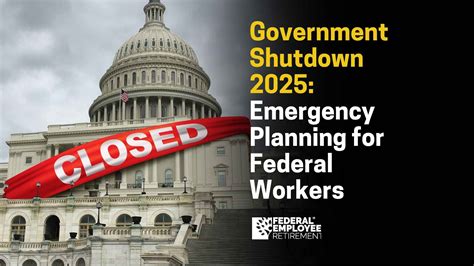
Each shutdown brings its own unique set of challenges, affecting not only the federal workforce but also critical services such as national parks, museums, and certain government agencies. The economic and social repercussions can be significant, leading to a ripple effect that impacts businesses, communities, and individuals across the country.
The Impact of Government Shutdowns

The effects of a government shutdown are wide-ranging and often have immediate and long-term consequences. Here’s a deeper look at some of the key impacts:
Economic Fallout
A government shutdown can disrupt the economy in several ways. For instance, during the 2013 shutdown, the U.S. economy lost an estimated $24 billion in economic activity. This loss is primarily attributed to the temporary closure of government services, which can lead to reduced productivity and consumption. Additionally, the uncertainty surrounding future government operations can deter investment and business growth, further impacting the economy.
Humanitarian Concerns
Shutdowns can have severe implications for federal employees and contractors. During a shutdown, non-essential personnel are typically furloughed, meaning they are temporarily laid off and prohibited from working. This situation leaves many individuals without a steady income, causing financial strain and potentially affecting their ability to meet basic needs. Moreover, essential workers, who continue to work during a shutdown, often face delayed paychecks, adding to the overall economic uncertainty.
Disruption of Services
The cessation of non-essential government operations means that various services are curtailed or halted altogether. This includes the closure of national parks and monuments, impacting tourism and recreational activities. Additionally, government agencies responsible for critical functions such as food safety inspections, scientific research, and federal aid distribution may experience disruptions, affecting public health, innovation, and support for vulnerable communities.
Political and Social Ramifications
Government shutdowns often spark intense political debates and can have significant social consequences. They can influence public opinion, potentially leading to shifts in political power dynamics. Furthermore, the disruption of essential services and the economic fallout can create social unrest and affect the overall well-being of communities, particularly those reliant on government assistance.
Potential Solutions and Preventative Measures
Preventing government shutdowns and mitigating their impacts is a complex task that requires collaboration and compromise. Here are some strategies that have been proposed and implemented in the past:
Continued Appropriations
One approach to avoid shutdowns is to pass continuing resolutions (CRs) that provide temporary funding for the government. These CRs allow for the continued operation of the government while negotiations on long-term appropriations bills continue. While CRs can buy time, they often do not resolve the underlying budgetary disputes, and the threat of a shutdown remains if a comprehensive agreement is not reached.
Budgetary Compromise
Resolving the underlying budgetary disagreements is crucial to preventing shutdowns. This involves finding a balance between the priorities of different political parties and addressing issues related to spending levels, tax policies, and the allocation of resources. Achieving a bipartisan consensus can be challenging but is essential for long-term stability.
Essential Services Protection
Ensuring that critical services are not disrupted during a shutdown is vital. This can be achieved by identifying and prioritizing essential functions that must continue regardless of funding lapses. By clearly defining these essential services, the impact on the public can be minimized, particularly in areas such as public safety, healthcare, and national security.
Emergency Funding
In some cases, emergency funding measures can be implemented to provide temporary relief during a shutdown. These measures often involve transferring funds from other government accounts or utilizing special funding mechanisms to keep essential services operational. However, this approach is often a short-term solution and may not address the root causes of the shutdown.
Conclusion: A Call for Collaboration
Government shutdowns are complex events that can have far-reaching consequences. While they highlight the challenges of governing in a democratic system, they also serve as a reminder of the importance of collaboration and compromise. By understanding the causes, effects, and potential solutions, we can work towards a more stable and efficient governance system that prioritizes the well-being of its citizens.
What is the main cause of government shutdowns in the U.S.?
+Government shutdowns typically occur due to a failure to pass appropriations bills, which provide funding for government operations. Political disagreements, budgetary constraints, and strategic maneuvers can all contribute to this failure, leading to a shutdown.
How do government shutdowns impact the economy and society?
+Shutdowns can have significant economic and social repercussions. They can lead to reduced economic activity, impact federal employees and contractors financially, disrupt critical services, and create social unrest. The uncertainty surrounding shutdowns can also deter investment and affect communities reliant on government assistance.
What measures can be taken to prevent government shutdowns?
+Preventing shutdowns requires a multifaceted approach. This includes passing continuing resolutions for temporary funding, resolving budgetary disagreements through compromise, prioritizing essential services, and exploring emergency funding measures. Collaboration and consensus-building are crucial to achieving long-term stability.